
One of the things you can not easily find on the internet are the details about ancestors. That’s because a lot of old family info was never put online. Because of this, people need rural and small‑town records to uncover their lineage.
Now, using rural and small‑town records is not easy. Many records are still sitting in small libraries, tiny town offices, and old church books somewhere. Some of these records are also missing. And in some cases, the record papers are not neatly sorted.
Still, while using rural records to research for your ancestry line is challenging, it is not impossible. Let’s show you how to do it.
Conduct Family Interviews
When you’re looking to learn about ancestors from rural places, start by interviewing the older relatives, like grandparents, great‑aunts, or great‑uncles. Ask them about names, dates, where people lived, and any old memories they have.
It’s important to write down every detail you learn and also say where you heard it from. With permission, you can also record the interview with a phone or recorder, so you don’t forget the stories later.
Search Key Local Records
Another way is to look into the local records that were made long ago. These are the pieces of paper, books, and lists that were kept by churches, town offices, newspapers, and local groups.
Church and Parish Records
A long time ago, most people in small towns went to a nearby church for baptisms, weddings, and funerals. These events were written down in special books called parish or church registers. These books can tell you the names of your ancestors, when they were baptized, who got married, and when someone died and was buried.
Many of these church records go way back before official government records. Often, they are held by the church itself, a town archive, or a genealogy group that keeps old records safe.
Town Offices
Town offices also kept lots of helpful papers like civil town records and registers. A town clerk might have written down births, marriages, and deaths.
Town records can also include tax lists, land deeds, and property transfers, which can help you see where your ancestors lived and how they got or sold land. These lists sometimes include simple details that may help you link one generation of a family to the next.
Census Records and Voter Rolls
Census records list everyone living in a household at a certain time, usually every ten years. These lists can help you see how families changed over time, how many kids they had, and how old everyone was.
Small towns also sometimes keep voter lists or poll books, which showed who lived in the town and was old enough to vote. With these lists, you can confirm a person lived in a place at a certain time.
Old Newspapers and Local Histories
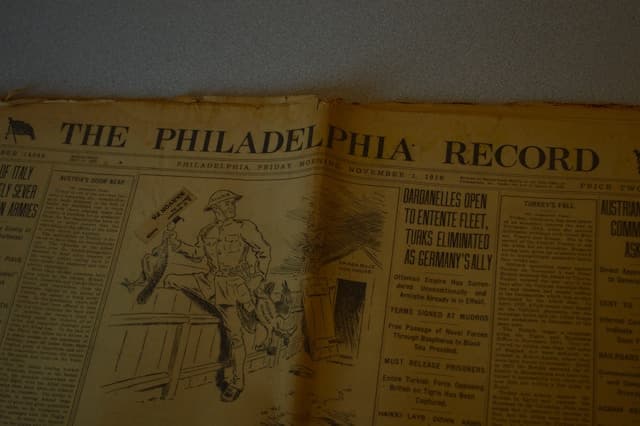
Newspapers from small towns might have obituaries (short stories about someone who died), event announcements, and little details about a person’s life that you won’t find in a register. Some local history books or community stories talk about everyday life in the town and may mention families by name.
Local Museums and History Societies
Many small towns have groups of people who love local history and collect old photos, letters, family bibles, and other objects that tell stories about the families who lived there. These groups can sometimes help you find information that has never been put online, and they often know the town’s history better than anyone.
Use Local Geography and Administrative Boundaries
You also need to look at how those rural areas were set up long ago. A small town today might have been part of a different county or district in the past. Sometimes the name of the town changed, or the town might have been split into two areas.
Historical maps and records maps can also help in this regard. They show exactly how a place looked back then and help you find where the records were kept.
Final Thoughts
We have shown you how to go about ancestor research using rural records. You must now know that finding your ancestral line is not impossible. However, you should also know that the process can take time, so you need patience.
But don’t let that scare you. This kind of research can be really exciting because you’re finding real stories about your ancestors, their towns and how they lived their lives. So, go with the flow, enjoy the search, and feel proud each time you discover a new clue.

 John Gama